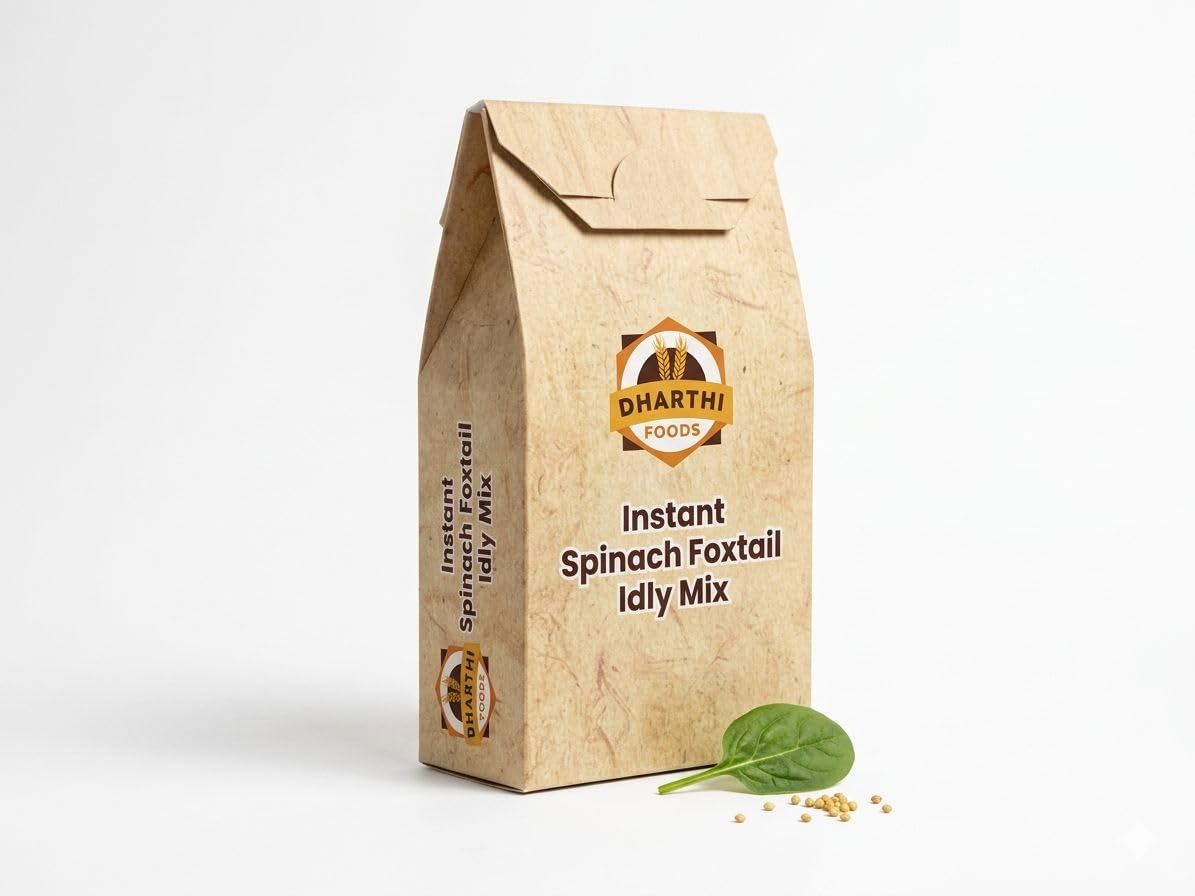
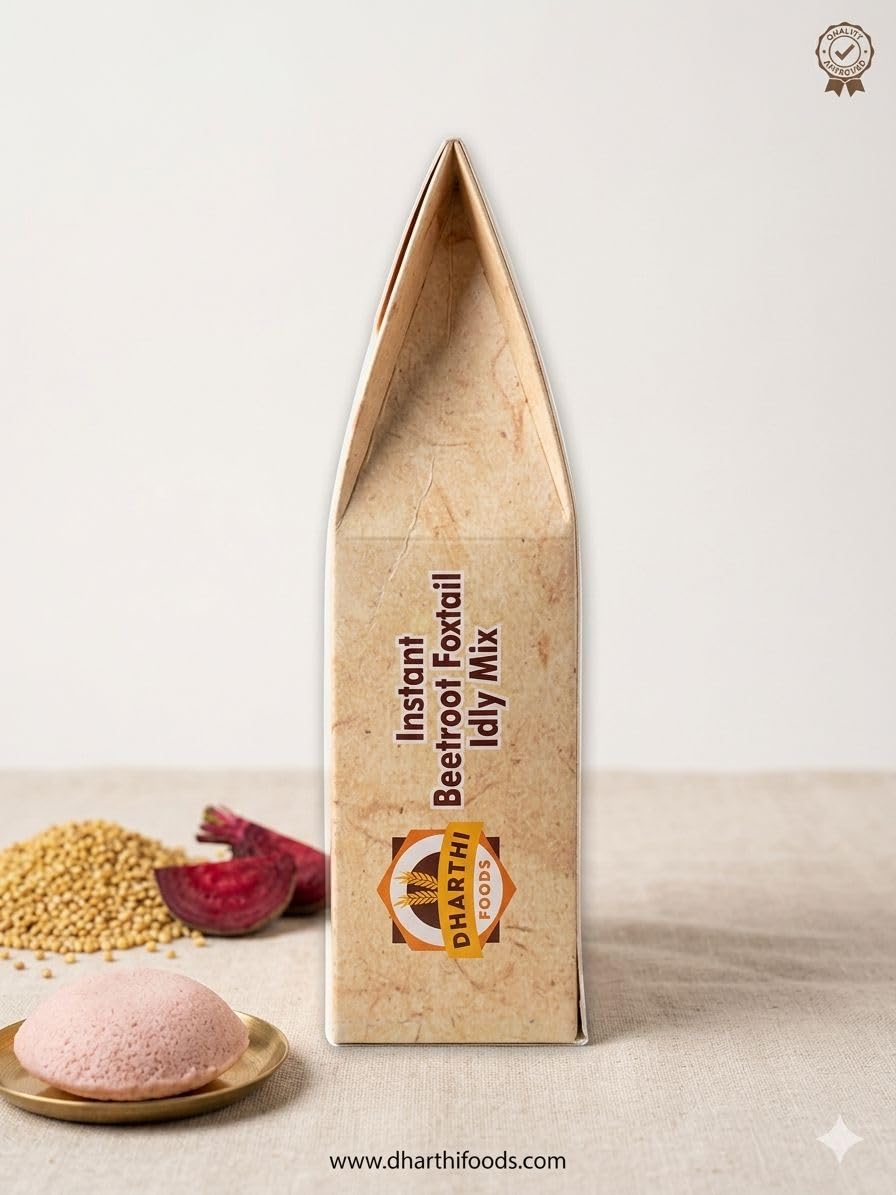
Getting children to eat nutritiously is one of the most common challenges faced by Indian parents today. Between instant noodles, packaged biscuits, and commercially produced 'health' foods filled with refined flour and sugar, parents are often forced to choose between nutrition and acceptance. Dharthi Foods' Spinach and Beetroot Foxtail Idly Mixes eliminate that choice.
These instant millet idly mixes use real vegetable powders — not synthetic food colours — to create naturally vibrant green and pink-red idlies that children are naturally drawn to. And because they love the colour, they eat them. Because parents know what's in them, they're happy.
Why Children Need More Iron — and How Idly Provides It
Iron deficiency is the most widespread nutritional deficiency in the world — and it disproportionately affects children. NFHS-5 data shows that 67% of children aged 6-59 months in India are anaemic. Iron deficiency impairs cognitive development, concentration, and physical growth — with effects that can persist into adulthood. Dharthi Foods' Spinach Foxtail Idly Mix provides 18% of a child's daily iron requirement per serving — from real spinach powder and foxtail millet. Two idlies for breakfast makes a meaningful dent in the deficiency.
The 'No Fake Colour' Promise
Most coloured children's foods on the Indian market use synthetic food dyes — tartrazine (Yellow 5), Allura Red (Red 40), and Brilliant Blue (Blue 1) — that have been linked to hyperactivity, ADHD, and allergic reactions in children in multiple peer-reviewed studies. The European Food Safety Authority requires warning labels on foods containing these dyes. Dharthi Foods uses absolutely zero synthetic dyes. The green is real spinach. The pink-red is real beetroot.
Folate for Brain Development
Both spinach and beetroot are exceptional sources of dietary folate (vitamin B9) — a nutrient critical for DNA synthesis, red blood cell formation, and neural development in children. Folate is especially important during rapid growth phases. Black gram dal (urad) in the mix adds further folate and protein, making these idlies a comprehensive brain-building breakfast.
Protein for Growth — Without the Processed Meat
Many Indian children consume inadequate protein at breakfast — most traditional breakfast foods are carbohydrate-heavy. Each serving of Foxtail Millet Idly provides 7g of high-quality protein from the millet-urad dal combination. For vegetarian families, this is particularly valuable — idly provides a comparable protein hit to an egg without any animal products.
Tiffin Box Success: Why Kids Ask for It Again
Parents across Hyderabad, Bangalore and Chennai who have started using Dharthi Foods' idly mixes report the same experience: children who previously demanded bread toast or instant noodles now request the 'green idly' or 'pink idly' for tiffin. The novelty becomes routine — and once routine, these millets become lifelong food habits that protect children's health for decades.
Order Spinach or Beetroot Idly Mix — ₹140
Frequently Asked Questions
What age children can eat millet idly?
Foxtail millet idly is suitable from 12 months onwards (once the child has transitioned past purely pureed food). For children under 2, steam the idly soft and mash slightly if needed. The asafoetida (hing) in the mix aids digestion. Avoid adding extra salt for children under 2.
My child is allergic to spinach — can they eat the beetroot variant?
Yes. The Spinach and Beetroot variants are separate products. The beetroot idly mix does not contain spinach. Please check the ingredient list on the package for any other allergens.
Can these idlies be frozen for later?
Yes. Steam the idlies, cool completely, and freeze in an airtight container. Reheat by steaming for 3-4 minutes or microwave with a cup of water for 1 minute. They retain texture and nutrition well when frozen.
Topics
Rajput Reshma Singh
Founder & CEO — Dharthi Foods · MSc, MTech (Environment Management)
IIMR-incubated food entrepreneur from Hyderabad, Telangana. APEDA registered, Central Govt. grant recipient, 4× national award winner. Reshma writes about millet nutrition science, Indian food heritage and sustainable eating from 15+ years of research and lived experience.