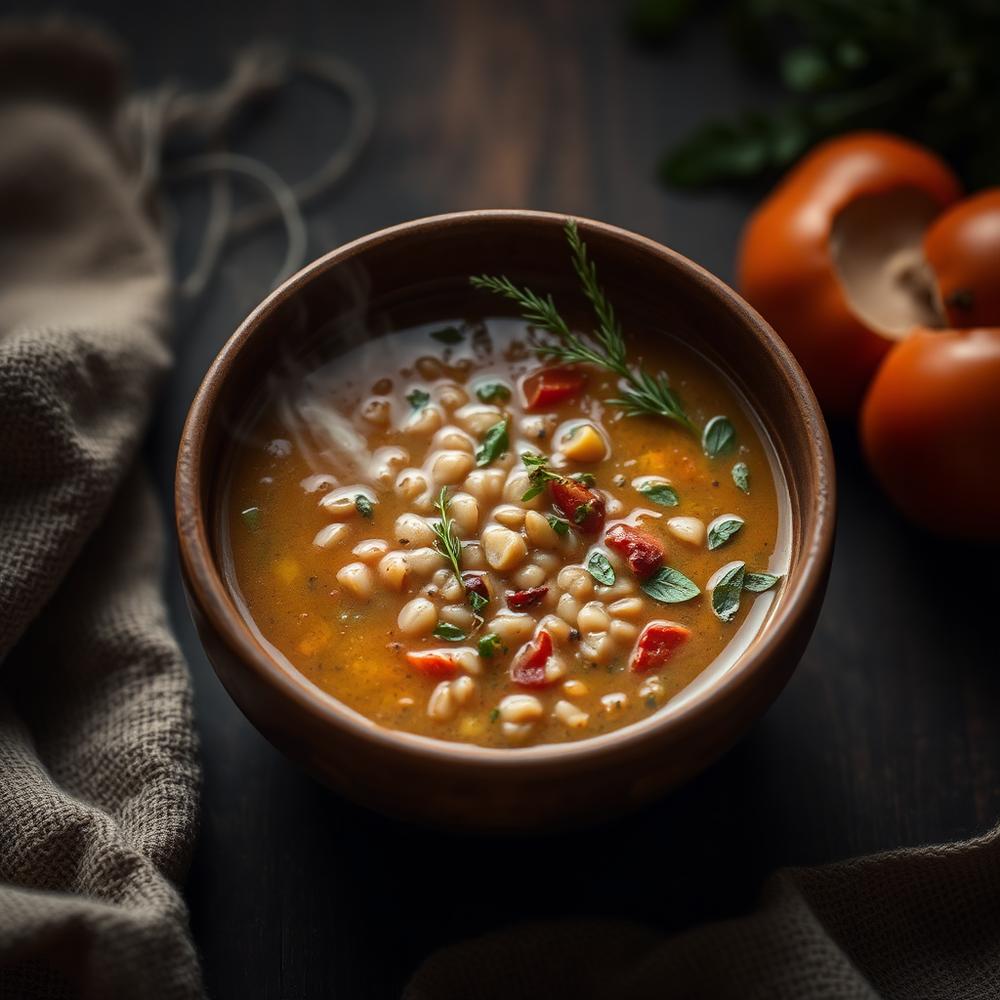
Pearl millet — known as bajra in Hindi — is one of the oldest cultivated grains in India, with archaeological evidence of its consumption dating back to 2500 BCE in Rajasthan. Today, as lifestyle diseases skyrocket across urban India, nutritionists, doctors, and food scientists are rediscovering bajra not as poor man's grain but as a superfood that rivals — and often beats — wheat, rice, and even quinoa.
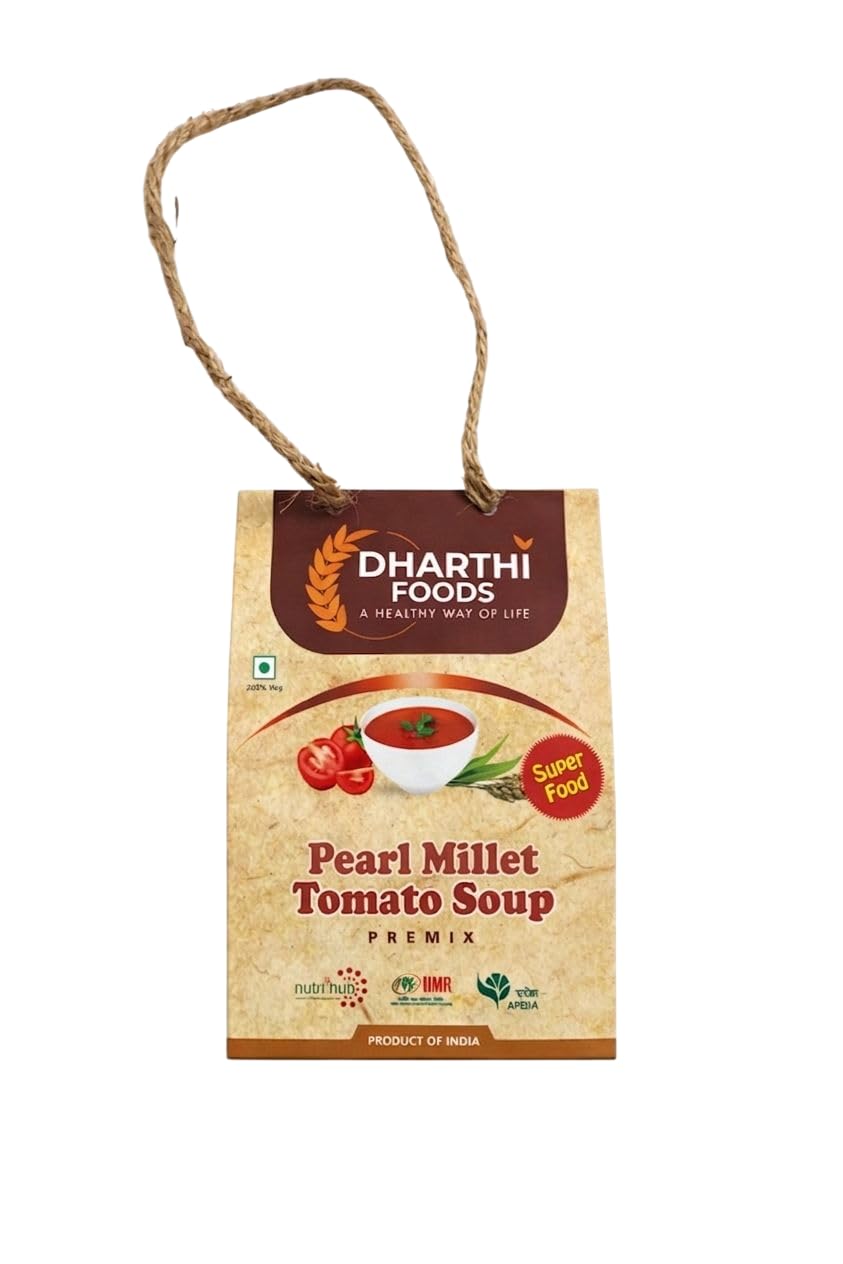
At Dharthi Foods, Hyderabad, we have built our entire Pearl Millet Tomato Soup Premix around the extraordinary nutritional profile of bajra — blended with 11 pulse flours, makhana, and real tomato powder for a complete, instant meal. Here is why pearl millet deserves a daily place in your diet.
1. Pearl Millet is India's Best Plant Source of Iron
India has one of the highest rates of iron deficiency anaemia in the world — affecting 53% of non-pregnant women and 58% of children under five, according to NFHS-5 data. Pearl millet provides approximately 8 mg of iron per 100g — over 44% of an adult's daily requirement. Unlike iron supplements, the iron in bajra comes packaged with synergistic minerals like zinc and magnesium that improve absorption.
2. High in Dietary Fiber — Gut Health and Satiety
With 17.22g of crude fiber per 100g in Dharthi Foods' premix formulation, pearl millet is exceptional for digestive health. Soluble fiber feeds beneficial gut bacteria and produces short-chain fatty acids that protect the colon lining. Insoluble fiber speeds intestinal transit, preventing constipation. High fiber also triggers satiety hormones — keeping you full for hours after a bowl of bajra soup.
3. Low Glycemic Index — Safe for Diabetics
Pearl millet has a glycemic index (GI) of 54, compared to 70+ for white rice and 75 for white bread. This means bajra releases glucose slowly into the bloodstream, preventing the dangerous blood sugar spikes and crashes that drive insulin resistance and Type 2 diabetes. Multiple clinical studies have shown that substituting bajra for refined grains significantly reduces post-prandial blood glucose.
4. Complete Amino Acid Profile with 11 Pulses
While bajra itself is high in protein (10-11g per 100g), it is limiting in lysine. Dharthi Foods' formulation pairs pearl millet with a blend of 11 pulse flours — dal varieties naturally rich in lysine — creating a complete protein source with all nine essential amino acids. This is crucial for muscle repair, enzyme production, and immune function.
5. Phosphorus and Calcium for Bone Density
Pearl millet provides phosphorus (296 mg/100g) and calcium (42 mg/100g) that work together for bone mineralisation. Phosphorus is required to activate vitamin D and facilitate calcium absorption into bone tissue. For post-menopausal women, seniors, and growing children, bajra is a meaningful contribution to daily calcium and phosphorus targets.
6. Magnesium — The Stress and Sleep Mineral
Bajra contains 137 mg of magnesium per 100g — one of the highest of any cereal. Magnesium regulates over 300 enzyme reactions including energy metabolism, muscle and nerve function, and protein synthesis. Chronic magnesium deficiency is linked to anxiety, insomnia, muscle cramps, and cardiovascular disease. A daily bowl of bajra soup is one of the simplest ways to address this widespread deficiency.
7. Polyphenols — Antioxidant and Anti-Inflammatory
The outer bran of pearl millet is rich in polyphenolic compounds including flavonoids and phenolic acids that neutralise free radicals, reduce systemic inflammation, and protect cells from DNA damage. In populations where bajra is a dietary staple, lower rates of colorectal cancer and cardiovascular disease have been observed.
8. Thyroid Support via Zinc and Iodine Co-Factors
While bajra itself is not iodine-rich, its zinc content (2.76 mg/100g) supports thyroid hormone synthesis and the conversion of T4 to active T3. Zinc is also critical for immune cell development and wound healing — making bajra a double-benefit food for thyroid health and immunity.
9. Heart Health — Cholesterol and Blood Pressure
Pearl millet's soluble fiber binds to bile acids in the intestine, leading to their excretion and forcing the body to use cholesterol to make more bile — effectively lowering LDL cholesterol. The magnesium in bajra relaxes blood vessel walls, contributing to lower blood pressure. Combined, these mechanisms make bajra a cardioprotective food.
10. Gluten-Free — Safe for Coeliac and Gluten-Sensitive Individuals
Pearl millet contains zero gluten — making it a safe, nutritious option for people with coeliac disease, wheat allergy, or non-coeliac gluten sensitivity. Unlike many gluten-free alternatives (which rely on refined starchy fillers), bajra brings genuine nutritional density.
The Easiest Way to Eat More Bajra: Our Soup Premix
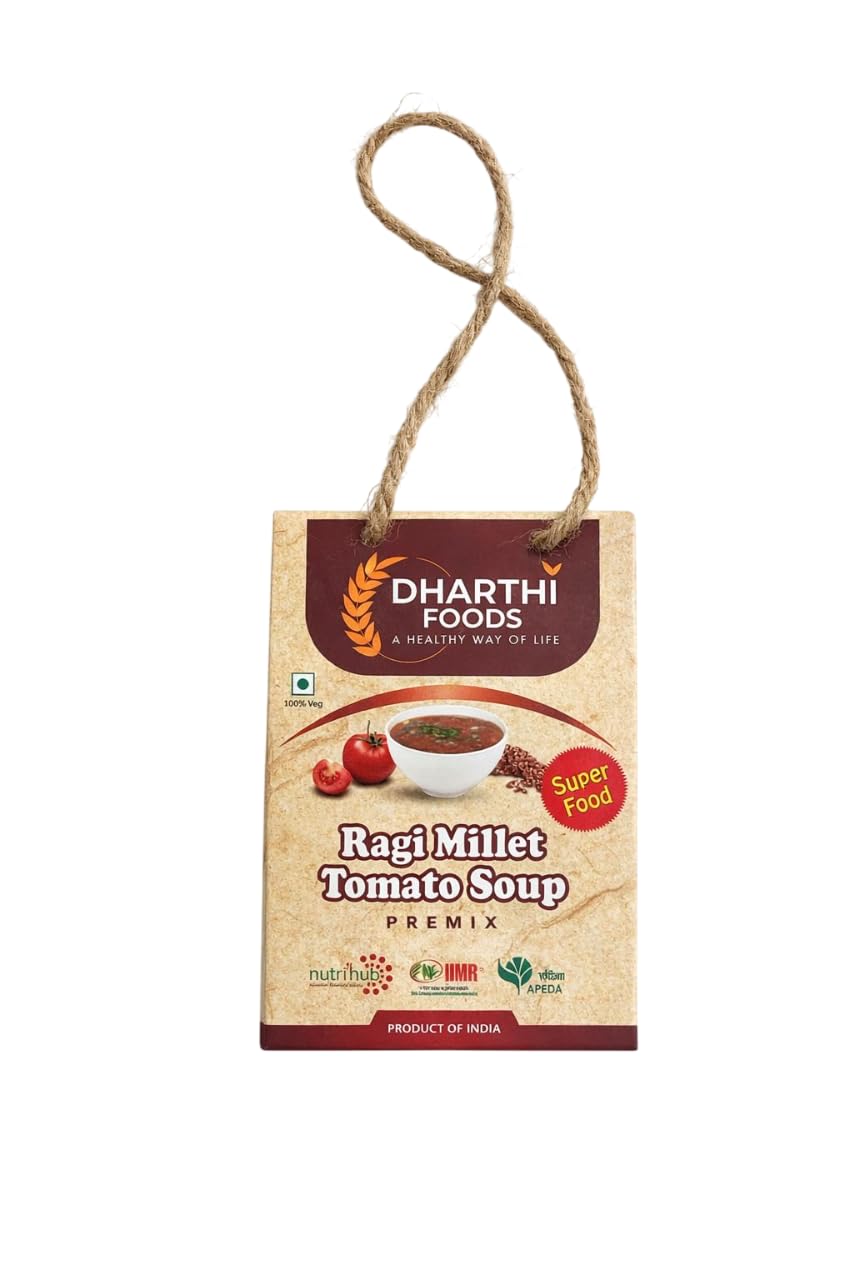
Dharthi Foods' Pearl Millet Tomato Soup Premix is the most convenient way to get all these benefits daily. Just add 2 teaspoons to 400ml of hot water, boil for 5 minutes, and you have a complete nutritional meal. No grinding, no soaking, no fuss. Made in Hyderabad, shipped pan-India, and available on Amazon.
Order Pearl Millet Tomato Soup — ₹129
Frequently Asked Questions
Frequently Asked Questions
Can I eat bajra soup every day?
Yes. Pearl millet is safe for daily consumption. Its fiber, iron, and magnesium make it beneficial as a daily meal or snack. Rotate it with other millets for maximum nutritional variety.
Is pearl millet good for weight loss?
Yes. Bajra's high fiber content promotes satiety, reduces appetite, and slows carbohydrate absorption — all of which support healthy weight management when combined with a balanced diet.
Is Dharthi Foods' bajra soup available outside Hyderabad?
Yes — Dharthi Foods ships pan-India via Amazon and WhatsApp ordering. You can place an order directly on WhatsApp (+91 82478 10427) for next-day confirmation.
Does the soup contain any preservatives or artificial flavours?
No. Dharthi Foods' Pearl Millet Tomato Soup Premix contains no preservatives, artificial colours, artificial flavours, or MSG. The tomato taste comes from real dried tomato powder.
Topics
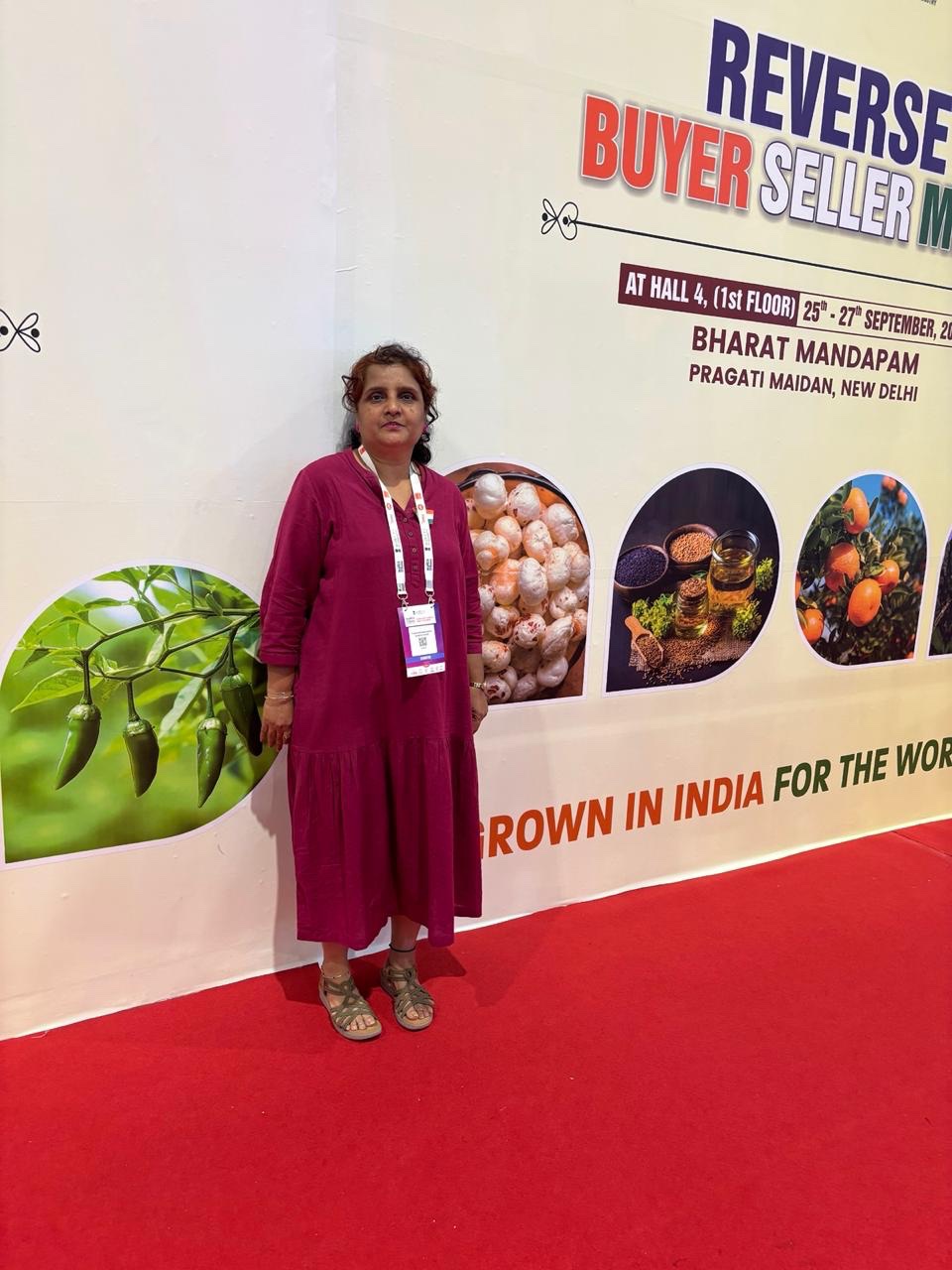
Rajput Reshma Singh
Founder & CEO — Dharthi Foods · MSc, MTech (Environment Management)
IIMR-incubated food entrepreneur from Hyderabad, Telangana. APEDA registered, Central Govt. grant recipient, 4× national award winner. Reshma writes about millet nutrition science, Indian food heritage and sustainable eating from 15+ years of research and lived experience.