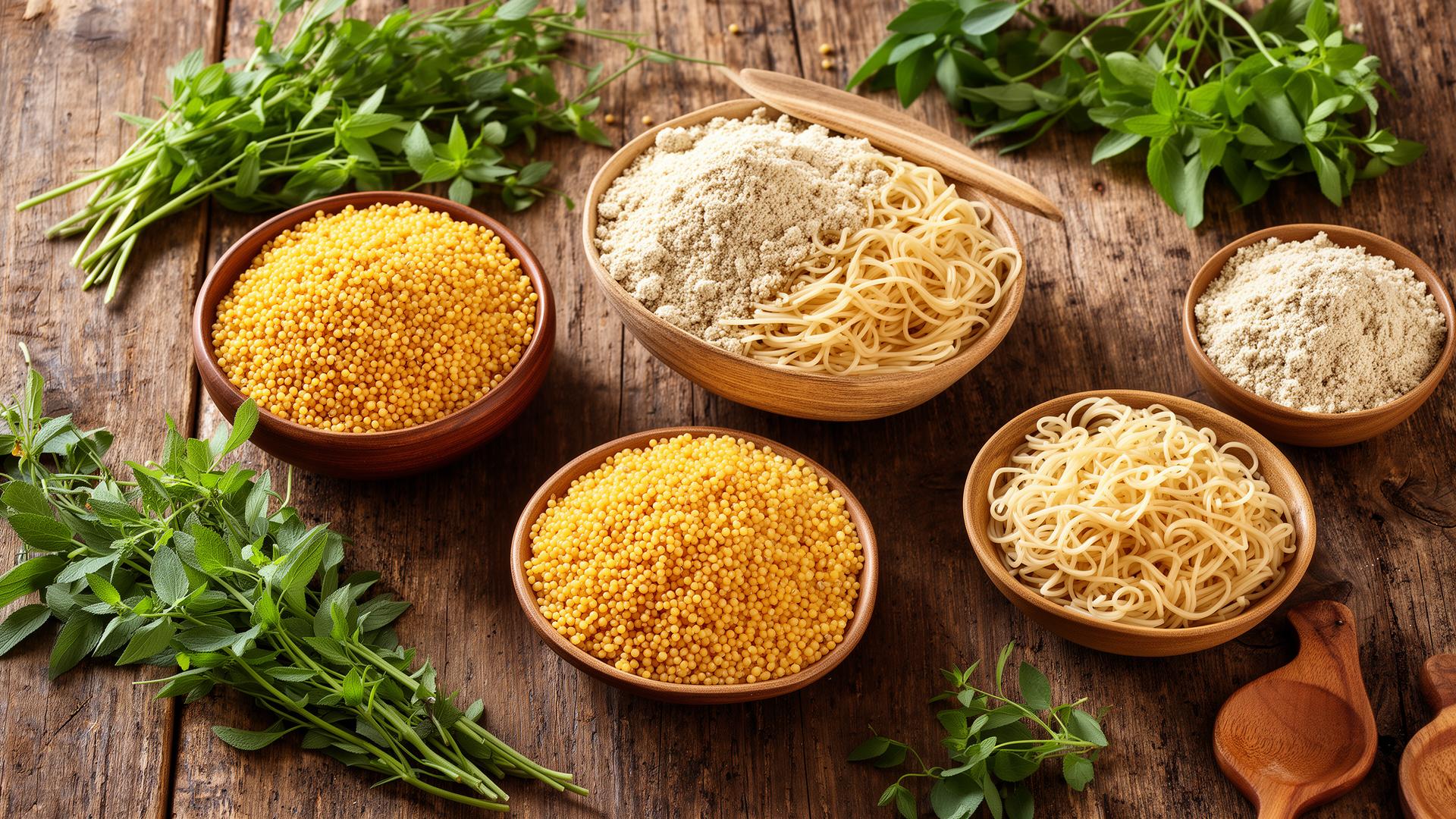
On the surface, declaring millets as the focus of an International Year seems like a diplomatic gesture. But dig deeper and you find one of the most important food policy shifts in modern history — driven by the intersection of climate change, nutritional crisis, and the rediscovery of ancient agricultural wisdom.
India proposed the UN International Year of Millets 2023, and Prime Minister Narendra Modi made millet promotion a centrepiece of India's G20 presidency — serving millet-based dishes at formal state dinners, directing APEDA to promote millet exports, and launching the India Millets Initiative with billions of rupees in support for millet farming and processing.
Why Millets? The Triple Crisis They Solve
- Climate Crisis: Millets need 70-80% less water than rice and thrive in poor, degraded soils — making them the most climate-resilient crops in India's agricultural arsenal. As groundwater levels drop and monsoon patterns become erratic, millet farming becomes increasingly vital.
- Nutrition Crisis: India has the world's highest absolute numbers of malnourished people (194 million) and the fastest-growing diabetes epidemic (101 million cases). Millets' high fiber, low GI, and mineral density directly address both problems.
- Farmer Income Crisis: Millet farming is lower-input than rice or wheat — requiring less fertiliser, less irrigation, and less pesticide. With fair-market pricing through APEDA and government support, millet cultivation can significantly improve farmer income, especially for women farmers in dry-land regions.
Millets vs Rice and Wheat: The Nutritional Case
- Protein: Pearl millet (10.6g) vs White rice (6.8g) vs Wheat (11.8g/100g)
- Dietary Fiber: Foxtail millet (6.5g) vs White rice (0.4g) vs Wheat (2.7g)
- Iron: Pearl millet (8mg) vs White rice (0.7mg) vs Wheat (2.7mg)
- Calcium: Ragi (344mg) vs White rice (10mg) vs Wheat (41mg)
- Glycemic Index: Millets (50-55) vs White rice (72) vs White bread (75)
- Water Requirement: Millets (400mm) vs Rice (1200mm) vs Wheat (450mm)
Hyderabad: India's Millet Capital
It is no coincidence that Dharthi Foods is based in Hyderabad. The city is home to IIMR — the Indian Institute of Millet Research — the world's premier institution for millet science, genetics, and agronomy. IIMR has developed hundreds of improved millet varieties, conducted thousands of nutritional studies, and trained millet farmers and entrepreneurs across India. Dharthi Foods, as an IIMR-incubated brand, sits at the intersection of this research and the consumer market.
The Millet Renaissance in Modern Indian Kitchens
A decade ago, millets were associated with poverty food — the 'coarse grains' that poor farmers ate because they couldn't afford rice. Today, that narrative has been completely reversed. Millets command premium prices, celebrity endorsements, and prominent placement in upscale grocery stores. Young urban professionals in Bengaluru, Mumbai, and Hyderabad are actively seeking millet products as part of their wellness lifestyle.
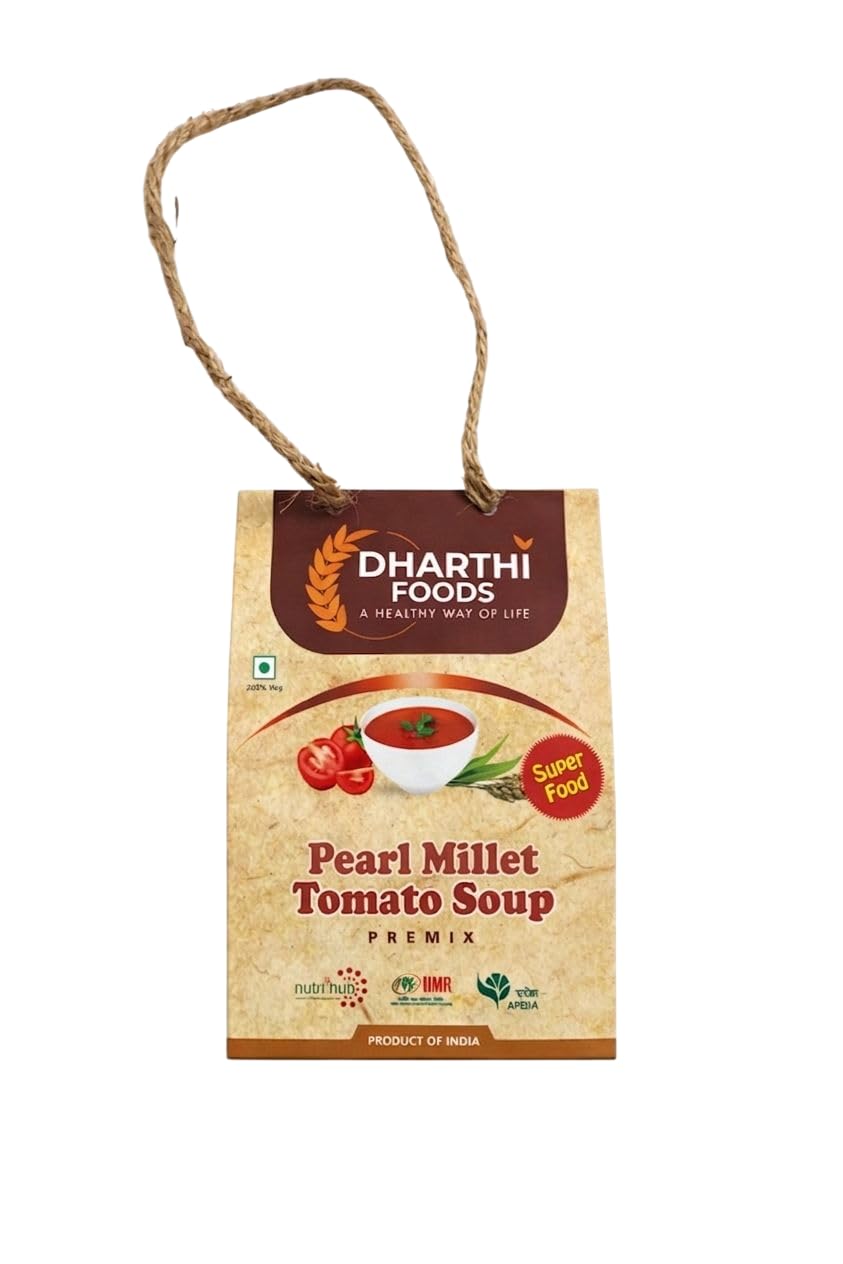
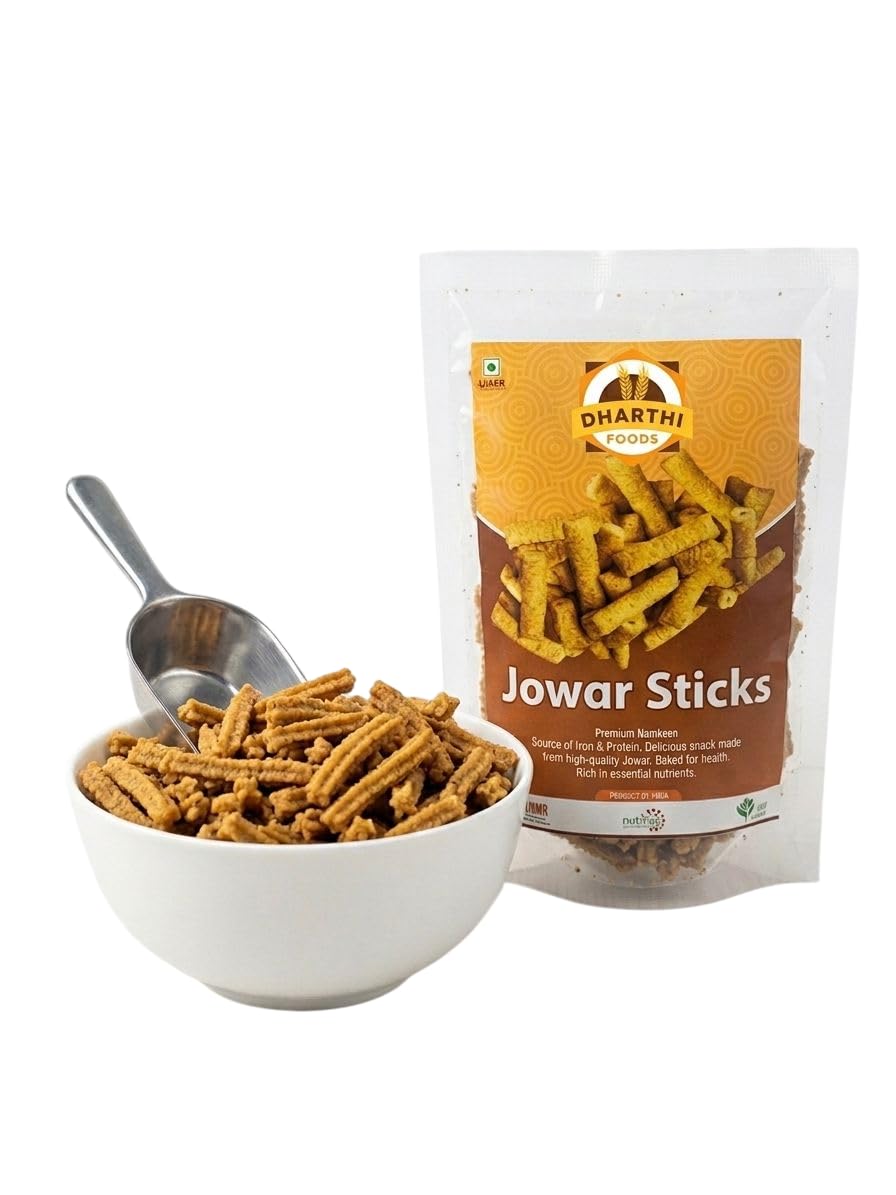
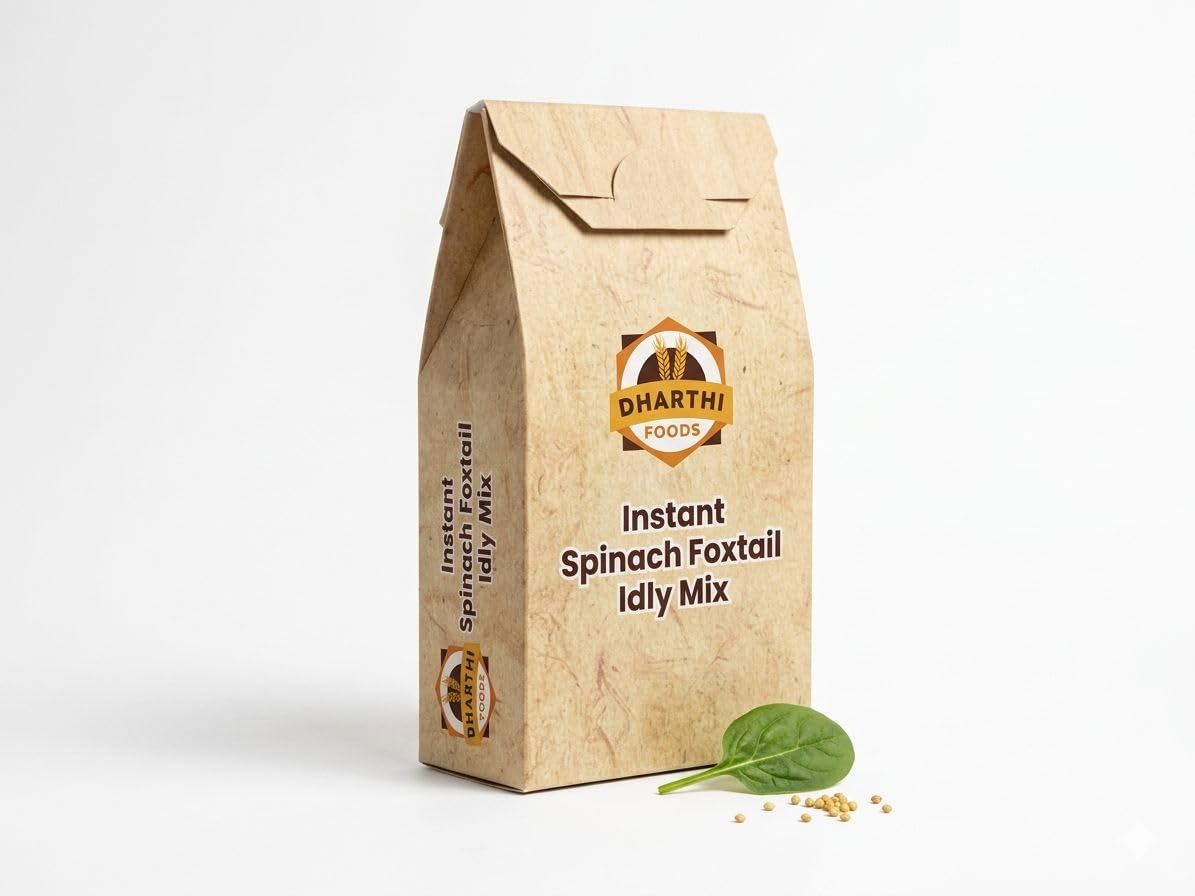
Dharthi Foods has been part of this revolution from the beginning — not as a trend follower but as a pioneer. Our products make ancient grains accessible for everyday Indian cooking, from quick soups to breakfast idlies to snack time. We believe millets are not a fad — they are the future of Indian food.
Be Part of the Millet Revolution — Shop Now
Frequently Asked Questions
What is the India Millets Initiative?
The India Millets Initiative is a government programme that provides financial and marketing support for millet farming, processing, and export promotion. It includes APEDA export facilitation, FPO (farmer producer organisation) support, and procurement price guarantees.
Which millets are produced in Telangana and Andhra Pradesh?
Telangana and AP are major producers of jowar (sorghum), pearl millet (bajra), foxtail millet, finger millet (ragi) and little millet. These states' drylands are naturally suited to millet cultivation — low rainfall, poor soils — where no other major crop can thrive.
How does buying Dharthi Foods products support Indian farmers?
Dharthi Foods sources its millet grains directly from women farmer collectives in Telangana and AP, paying above-market prices. Every purchase supports fair income for dryland farmers who might otherwise be trapped in subsistence farming.
Topics
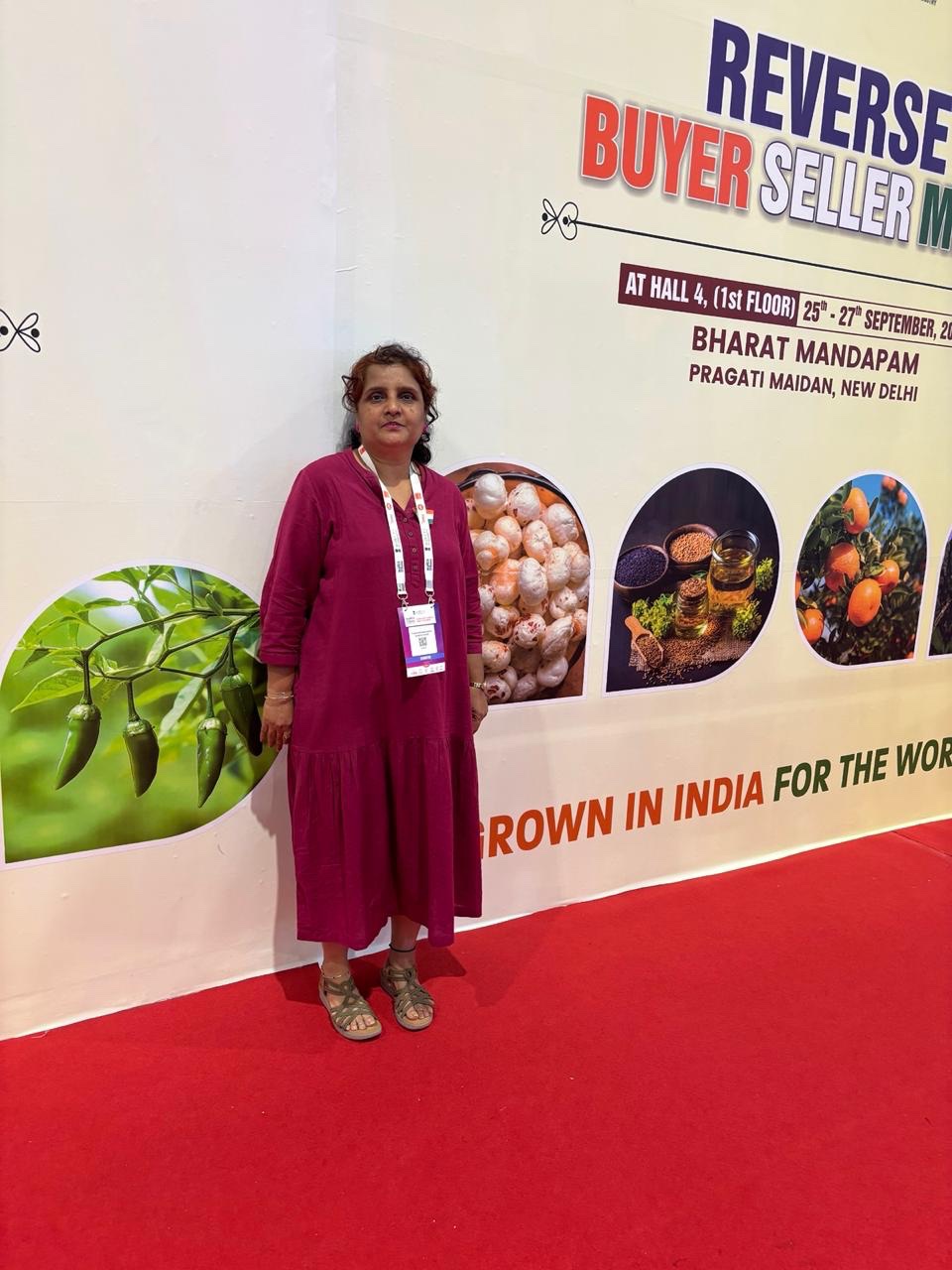
Rajput Reshma Singh
Founder & CEO — Dharthi Foods · MSc, MTech (Environment Management)
IIMR-incubated food entrepreneur from Hyderabad, Telangana. APEDA registered, Central Govt. grant recipient, 4× national award winner. Reshma writes about millet nutrition science, Indian food heritage and sustainable eating from 15+ years of research and lived experience.